
Hypothetical Capacity Modeling – West of Barry’s Corner
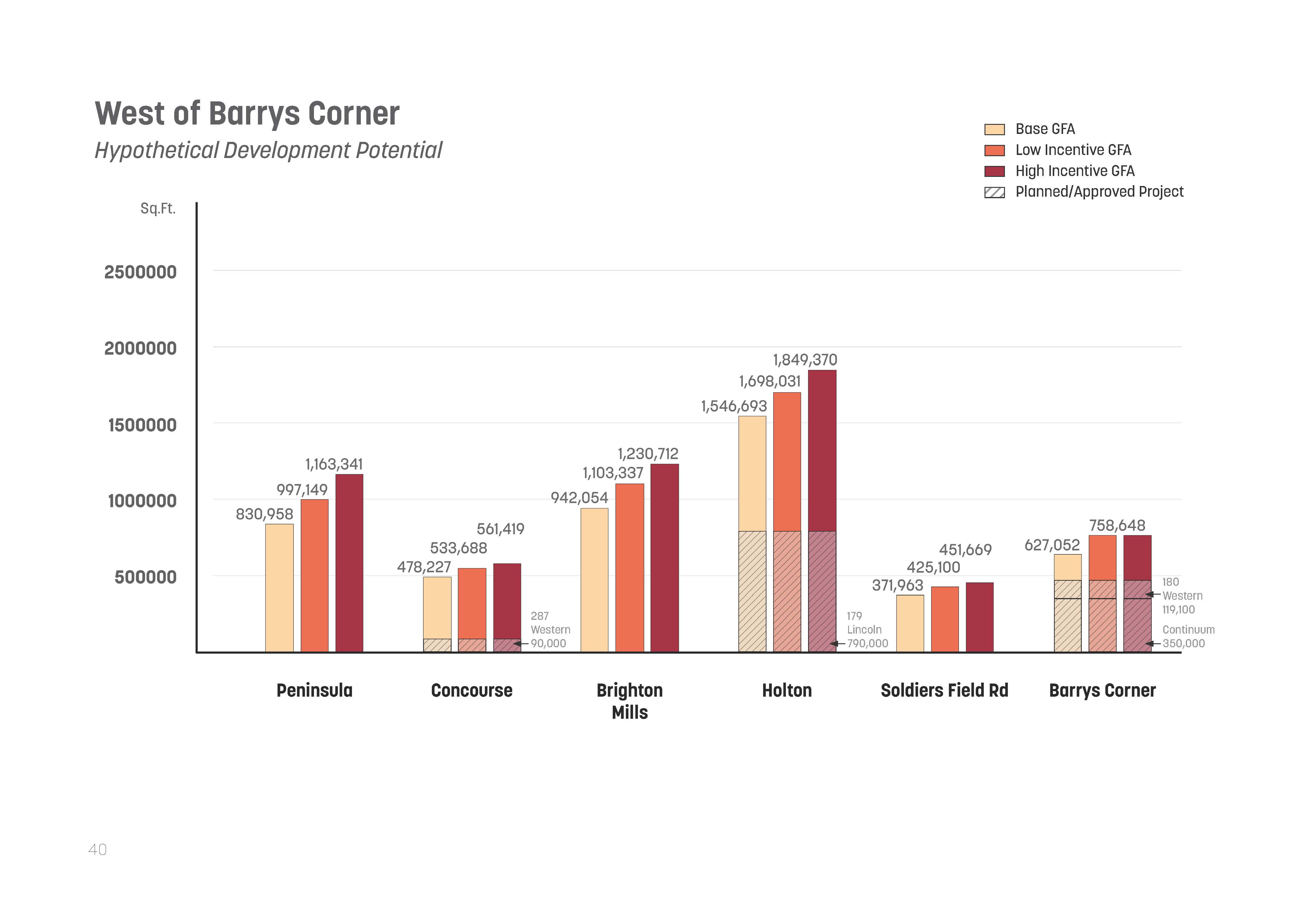
The Allston Development Potential Study evaluates hypothetical redevelopment capacity for Harvard-owned, non-institutional parcels west of Barry’s Corner in Boston.
The study translates zoning regulations, incentive structures, lease constraints, and parcel eligibility into measurable Gross Floor Area (GFA) outcomes. It functions as an internal strategic tool for understanding long-term redevelopment potential under current BPDA regulations.
Study Area: 38 acres
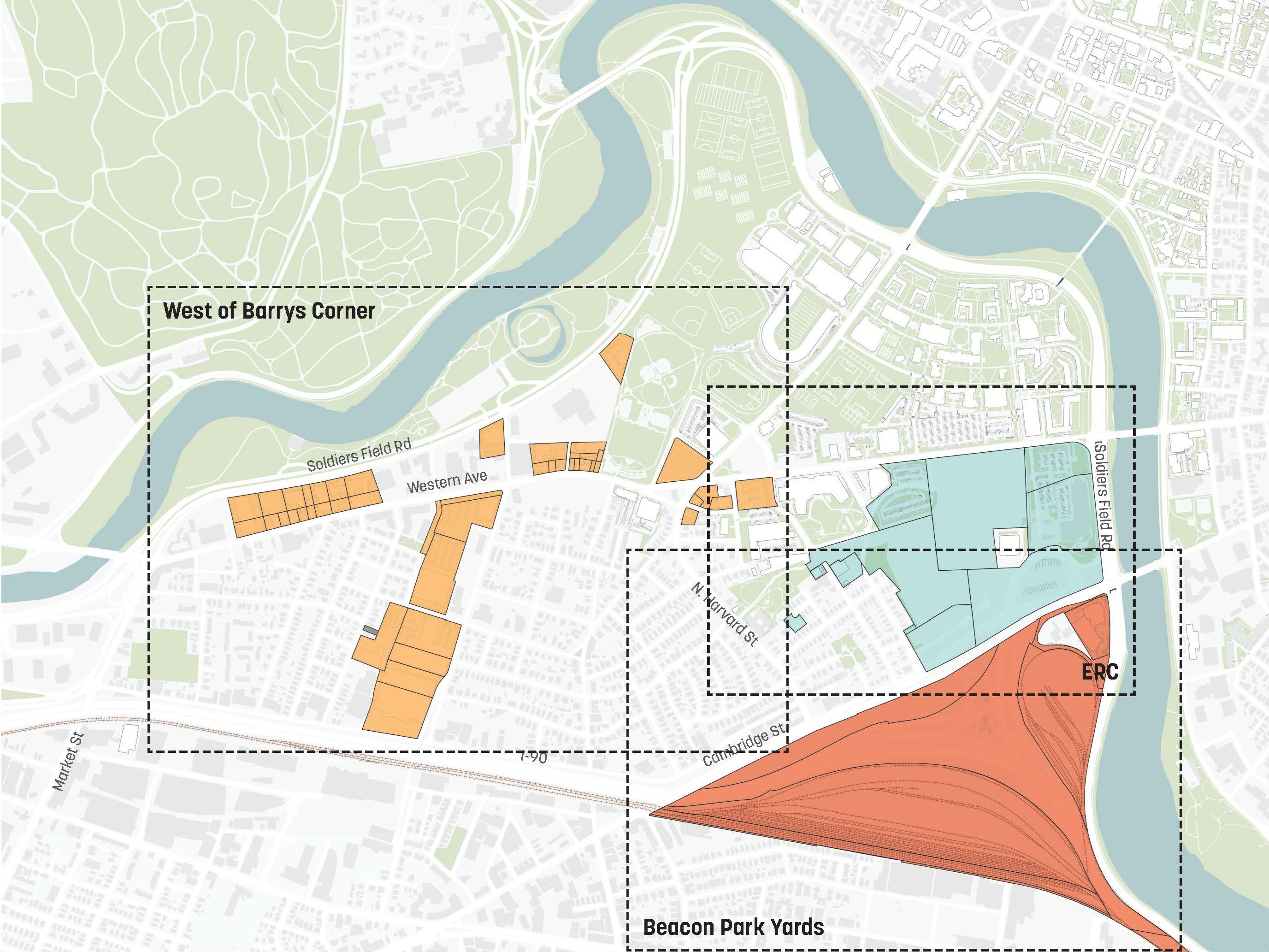
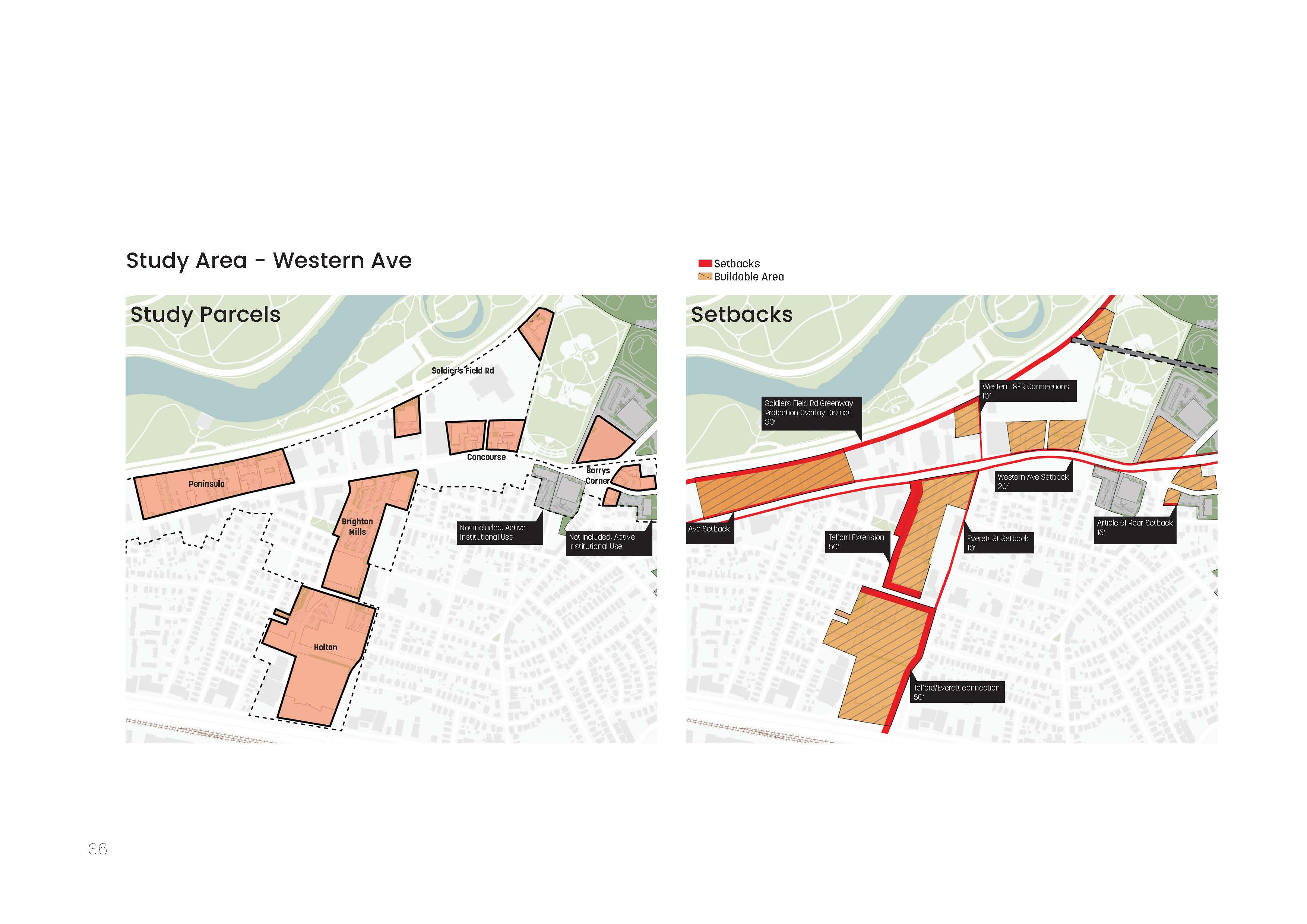
The study area includes all non-institutional Harvard land west of Barry’s Corner. Actively programmed institutional properties were excluded from capacity calculations.
Setbacks defined in the Western Avenue Rezoning Study were mapped to determine buildable area. Importantly, setback land continues to count toward FAR land basis calculations.
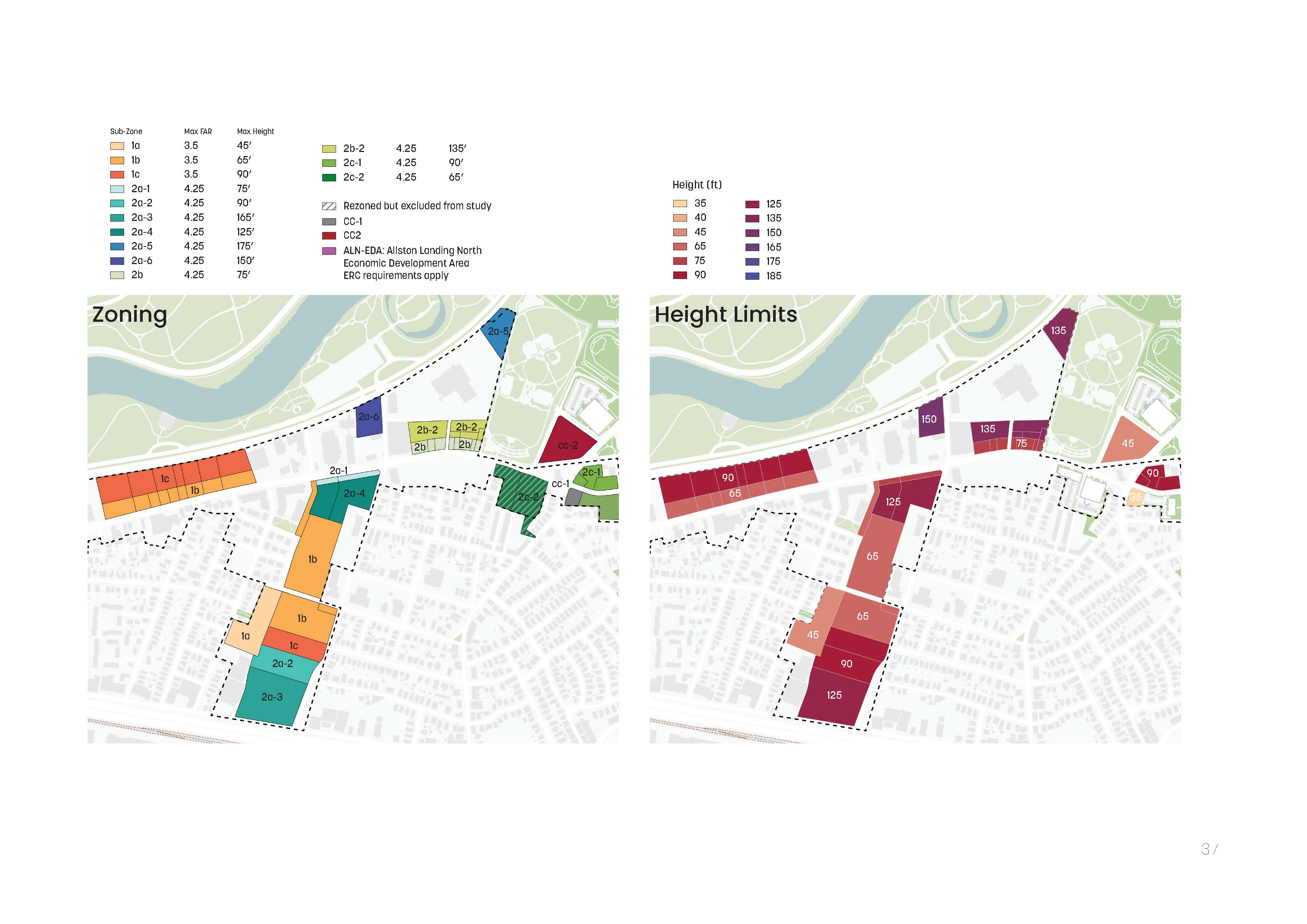
Zoning sub-districts range from FAR 2.0 to 4.25 with height limits between 35 and 185 feet.
Special incentives apply to developments providing 20% IDP housing at 60% AMI, enabling higher FAR utilization.
The regulatory framework establishes theoretical maximum development envelopes prior to feasibility or phasing constraints.
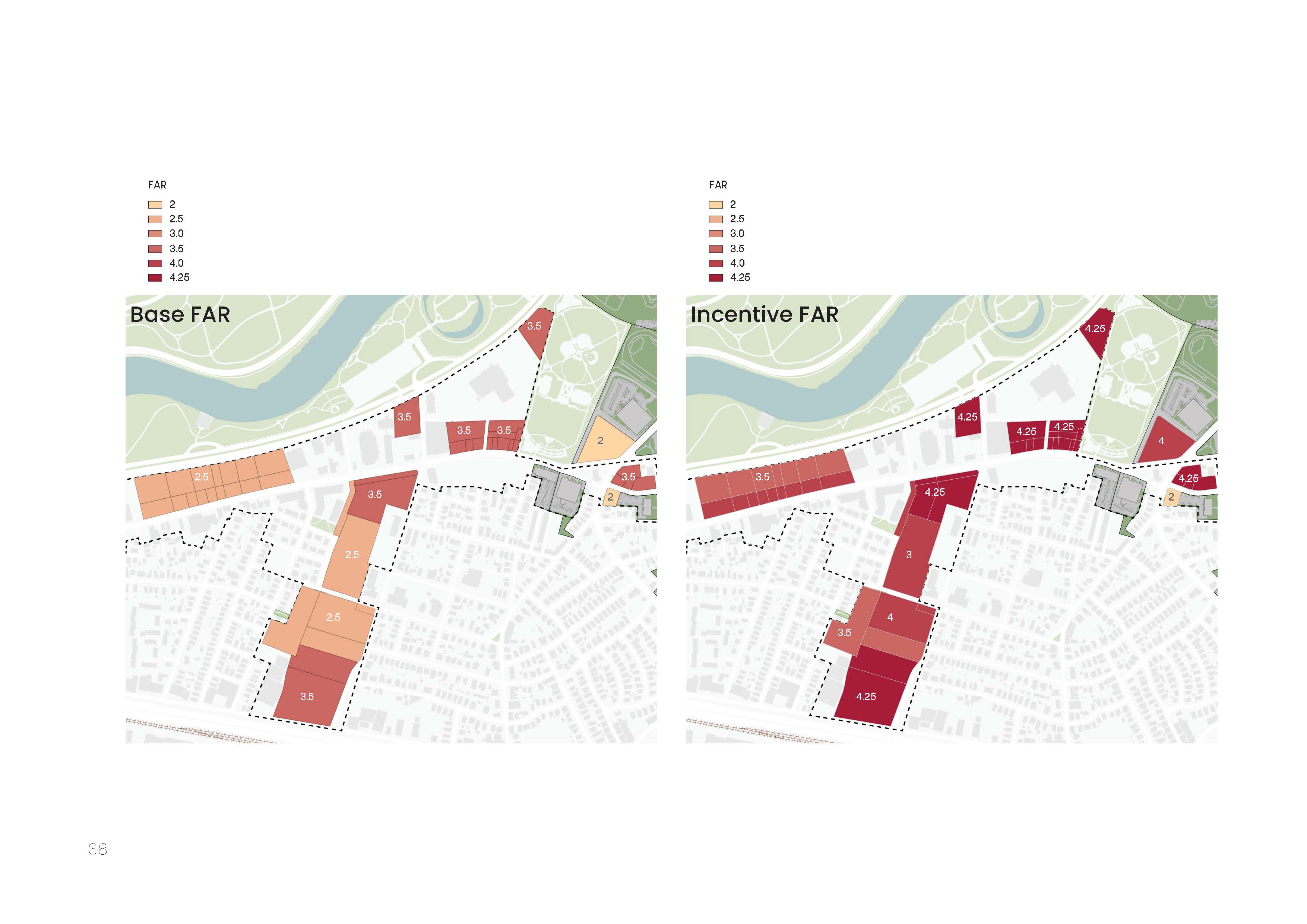
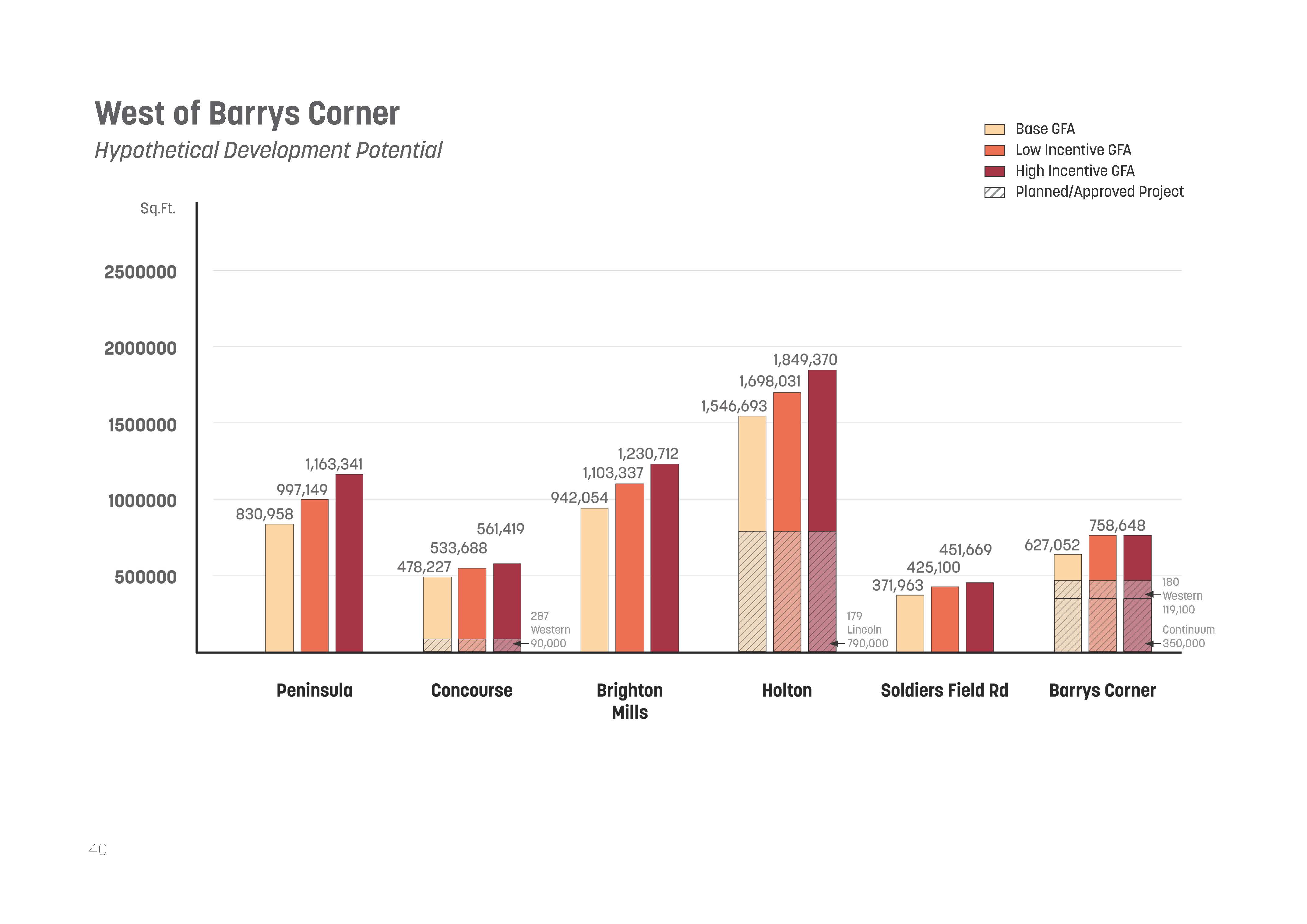
Base FAR and high-incentive FAR scenarios were modeled to quantify potential gains from maximizing incentive participation.
Incentive utilization significantly increases development yield across multiple parcels, particularly those eligible for Planned Development Areas (PDAs).
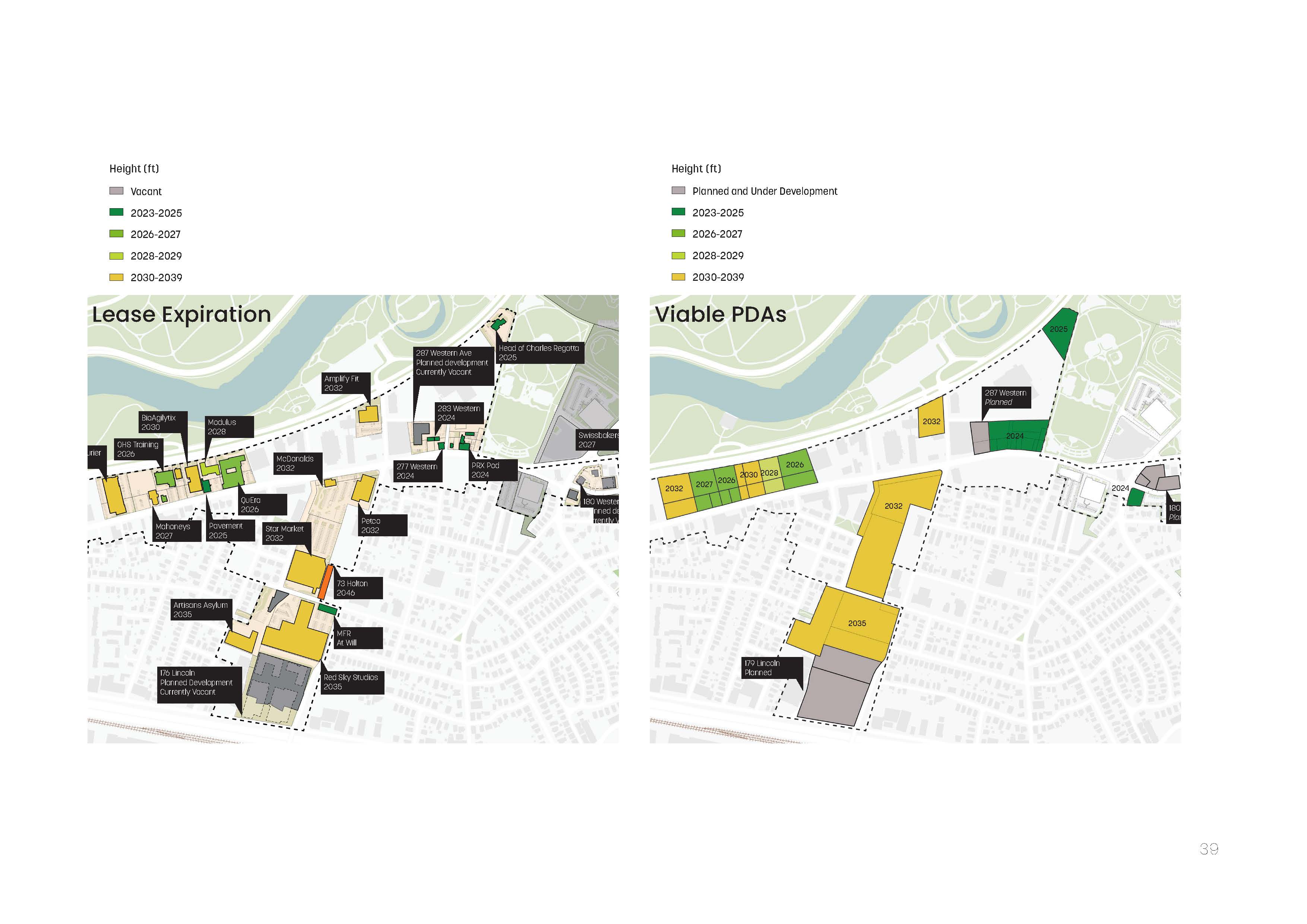
Lease expiration timelines define when parcels can realistically enter redevelopment cycles.
Adjacent parcels with similar lease timelines were grouped to evaluate eligibility for PDA designation. Parcels under one acre, such as 210 N. Harvard, were evaluated under conventional zoning due to PDA ineligibility.
This phase integrates regulatory capacity with temporal feasibility.
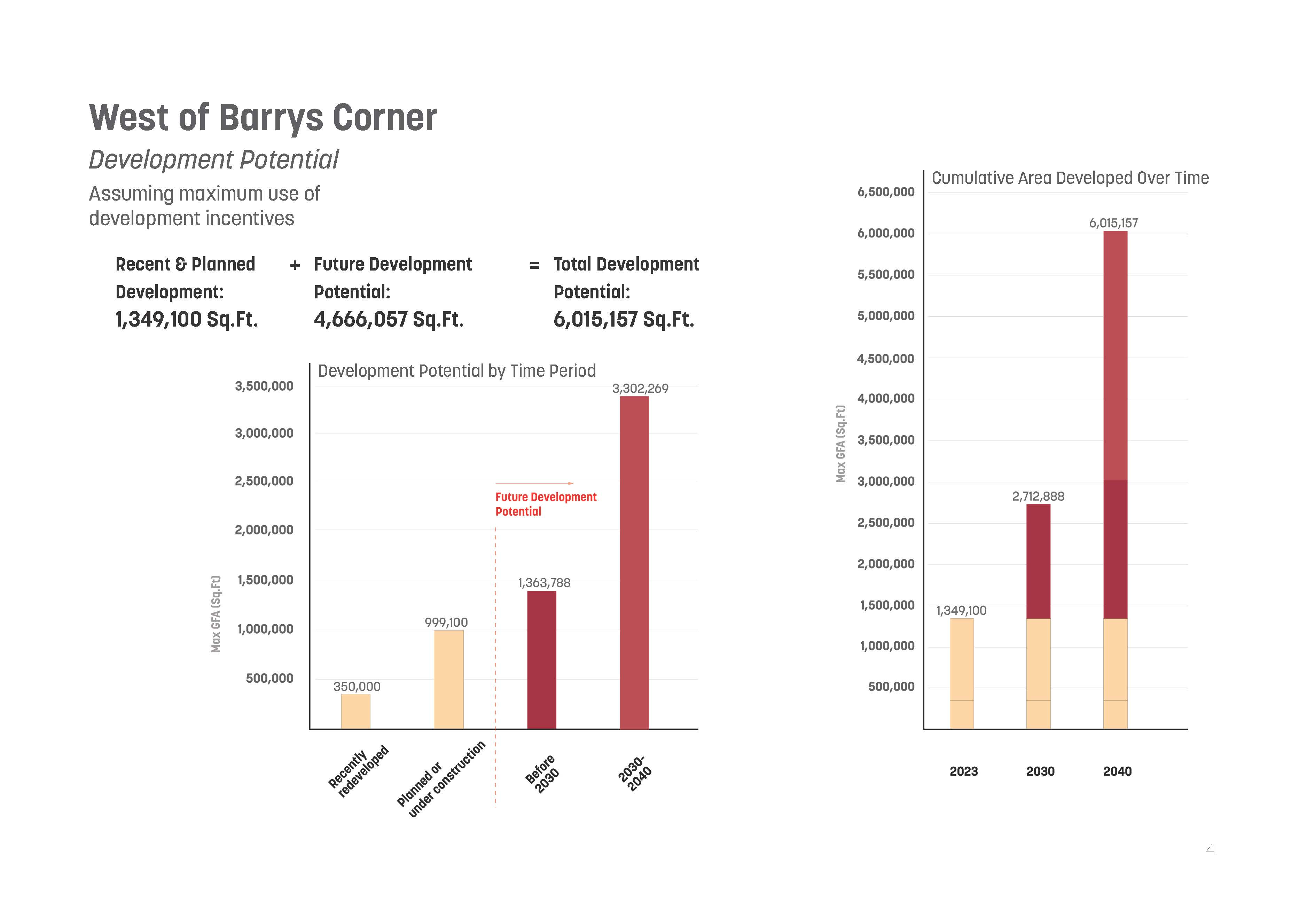
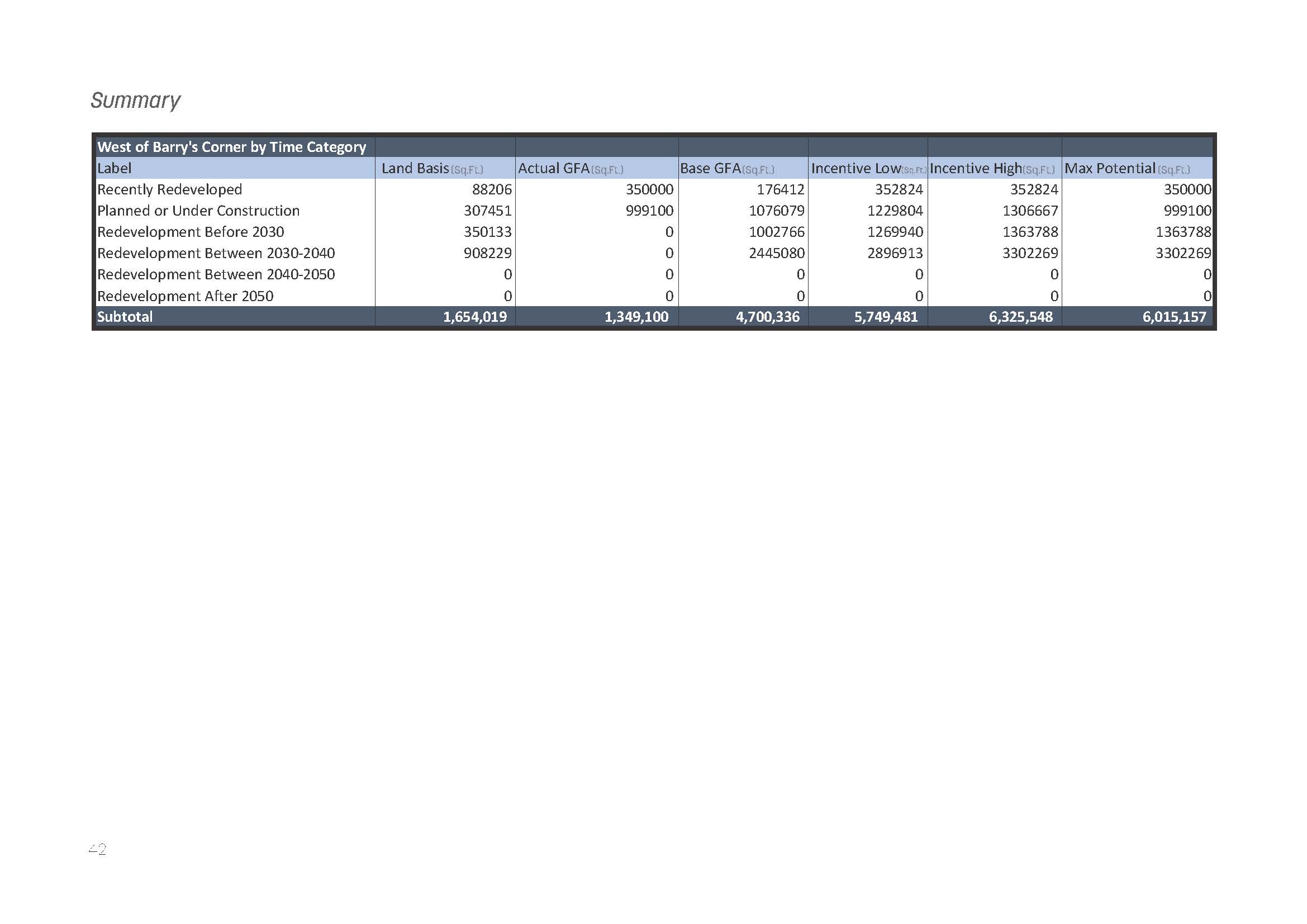
Assuming maximum use of incentive FAR:
Phasing analysis shows significant redevelopment potential prior to 2040, with cumulative area increasing substantially once lease expirations align.
The Allston Development Potential Study reframes zoning not as a static entitlement, but as a strategic instrument. By integrating land basis calculations, incentive thresholds, PDA eligibility, and lease timelines, the analysis quantifies long-term transformation capacity within an infrastructure-constrained urban district.
Client: Harvard University
Tools: ArcMap GIS, Excel, Illustrator
Skills: Development constraint research, land basis modeling, incentive analysis